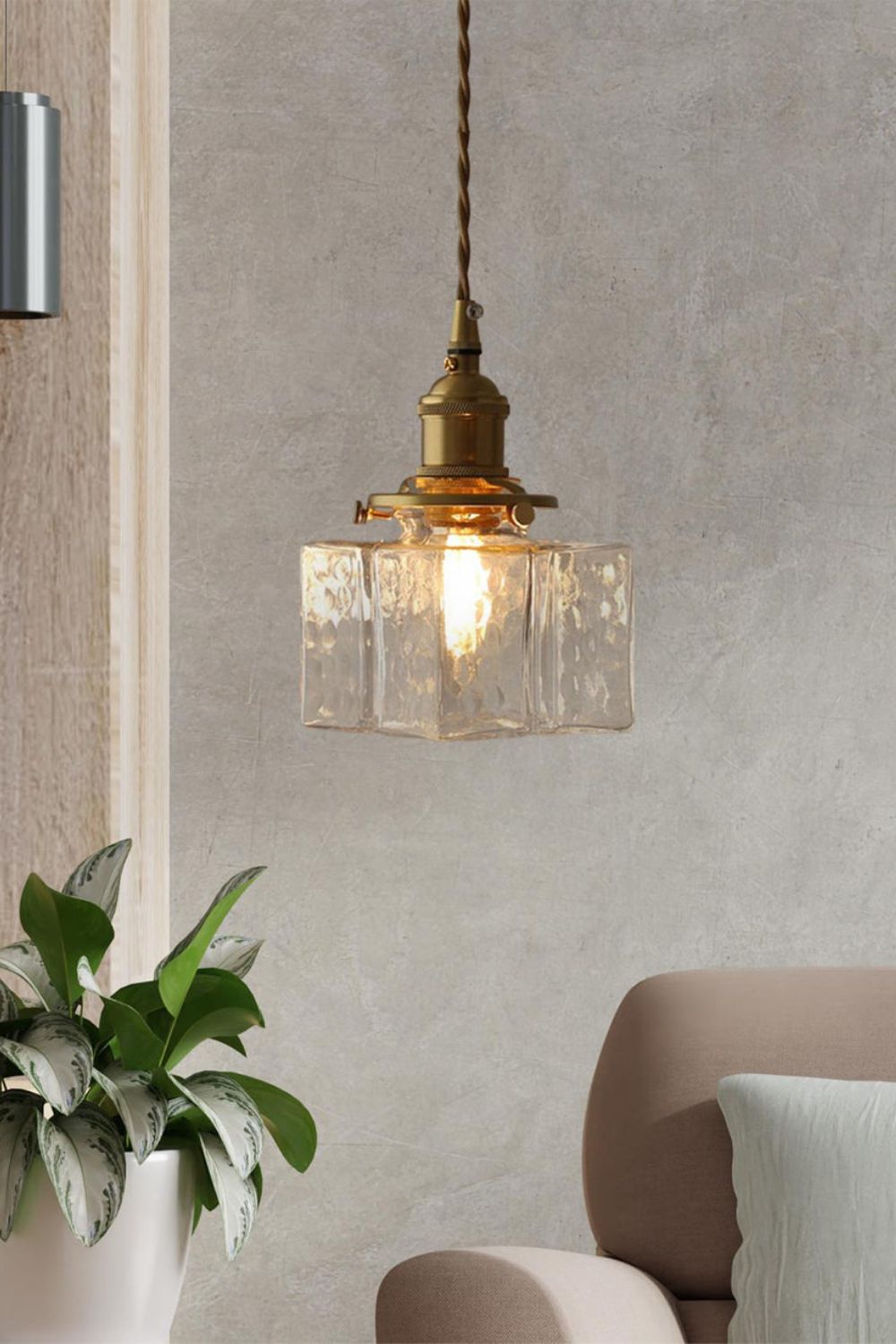
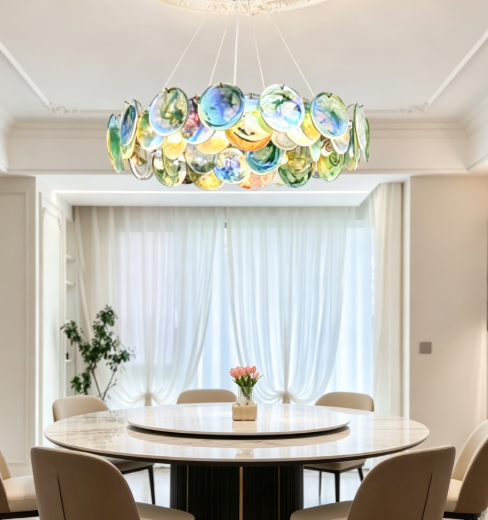
We want you to feel like every item is the perfect match for your home. If it’s not the right fit, we’ll help you get it sorted and have you on your way.
You can return most items for a refund within 30 days of delivery. Return shipping costs apply, and the item must be in its original condition and packaging to be accepted. Returned product must be in its original package and in new/unused condition to qualify for any refund. If the product has been installed already, it can not be returned. Customized items are not eligible for return as well.
If you wish to request a return or exchange, please contact us at support@samulighting.com to obtain an RMA (Return Merchandise Authorization) number before sending your package. Items sent back without prior authorization will not be accepted or processed.
Once your return request is approved, we will provide your RMA number along with the correct return shipping address and detailed packaging instructions on how and where to send your item.
Return Address (after approval):
Recipient: Zhang Lei
Room 301, Building 4, No. 80 Longxi Road, Jianghai District, Jiangmen City, China
Postal Code: 529040
To return a purchase, please follow the directions below.
Within 30 days after you receive the goods, if there is any manufacturer defect in the goods, please contact us immediately and take photos and videos for us to check. After verification, you may return full refund of any lighting equipment or related products, including the return freight you paid (the expedited freight will not be returned).
NOTE: If there is any manufacturer defect or shipping damage, please contact us within 48 hours and take photos and videos to show us the defect for us to verify.
If there is no manufacturer defect and you want to return the item for other reasons, you can still return it. However, since there is no manufacturer defect, you are responsible for the return shipping cost and must ensure that the product is sealed in the original packaging and in resalable condition. Once we receive the product and confirm that it is in resalable condition, we will issue the refund(the expedited freight will not be returned).
NOTE: If the return is not due to a manufacturer defect, customers are responsible for the return shipping cost.
Special order products or items that have been customized, converted or installed are not returnable.
If returned products arrived damaged or used we will not be able to provide a refund. For this reason, we strongly advise you to use an insured, traceable shipping method to return items.
Please note that if the returned products are not packed in the original packaging, or the installed products have broken wires and loose crystals, we will charge you a replenishment fee.
Return Steps
Please follow the steps below to return any part of your order in accordance with our return policy.
1. Process Your Return
Before returning your package, please reply to your order confirmation email and specify which items you would like to return. Be sure to include the reason for the return and let us know whether you prefer a refund, a store credit, or a replacement item.
2. Packaging
Ensure that all components of all items being returned are thoroughly sealed in their original packaging, including all original packaging material.
3. Shipping
Before shipping, please take pictures of inside and outside of the packages as records to show that products are indeed in its original condition. We strongly suggest to have insurance just in case that package are damaged during the shipping process back to us.
For shipping, feel free to ship the product back to us with your choice of shipping carrier. (You do have to pay for the shipping first. If it is quality related issue, we will refund you the shipping cost once we confirm the issue.)
After ship it, please take a picture of the receipt along with the tracking number and send to us at support@samulighting.com.
Once we receive and inspect the return, we will issue the refund within 10 business days. We will send you an email confirmation as well once the return is completed.
Refunds
For returned items, after we received them, it takes 5 - 10 business days for us to inspect for damage and restock. We will issue the refund accordingly after the inspecting process. If returned products arrived damaged or used we will not be able to provide a refund. Please allow up to 30 days for the credit to be finalized depends on the bank and credit card company that you use.
We must receive returned products before we can issue any refund. If we did not receive the products back for any giving reason, like the customer refuses to send the product back or the customer refuses to accept the package resulting in the shipping agent destroying the package, we will not be able to issue any refund.
Cancellation of Order
Customized items are not eligible for cancellation. For non-customized orders, you can cancel for free within 24 hours after you place the order by replying to your order confirmation email. After that, you can still cancel it as long as the products have not been shipped out. However, a $50 processing fee will be charged. Once the product is shipped out, the order can not be canceled.
THE FOLLOWING TYPES OF ORDERS DO NOT QUALIFY FOR CANCELLATION, RETURN OR REFUND:
Products and Invoices Labeled 'Customized Invoice', 'Made to Order', or 'Final Sale' Special purchases, such as Inventory Sale Items, Discontinued Items, and Custom Quotes.
Address: 547 E Locust Ave, Fresno, CA 93720, United States
Phone No: (810)6660767
Email: support@samulighting.com