Below Half Power: Bulbs, Dimmers and the Glow You Paid For
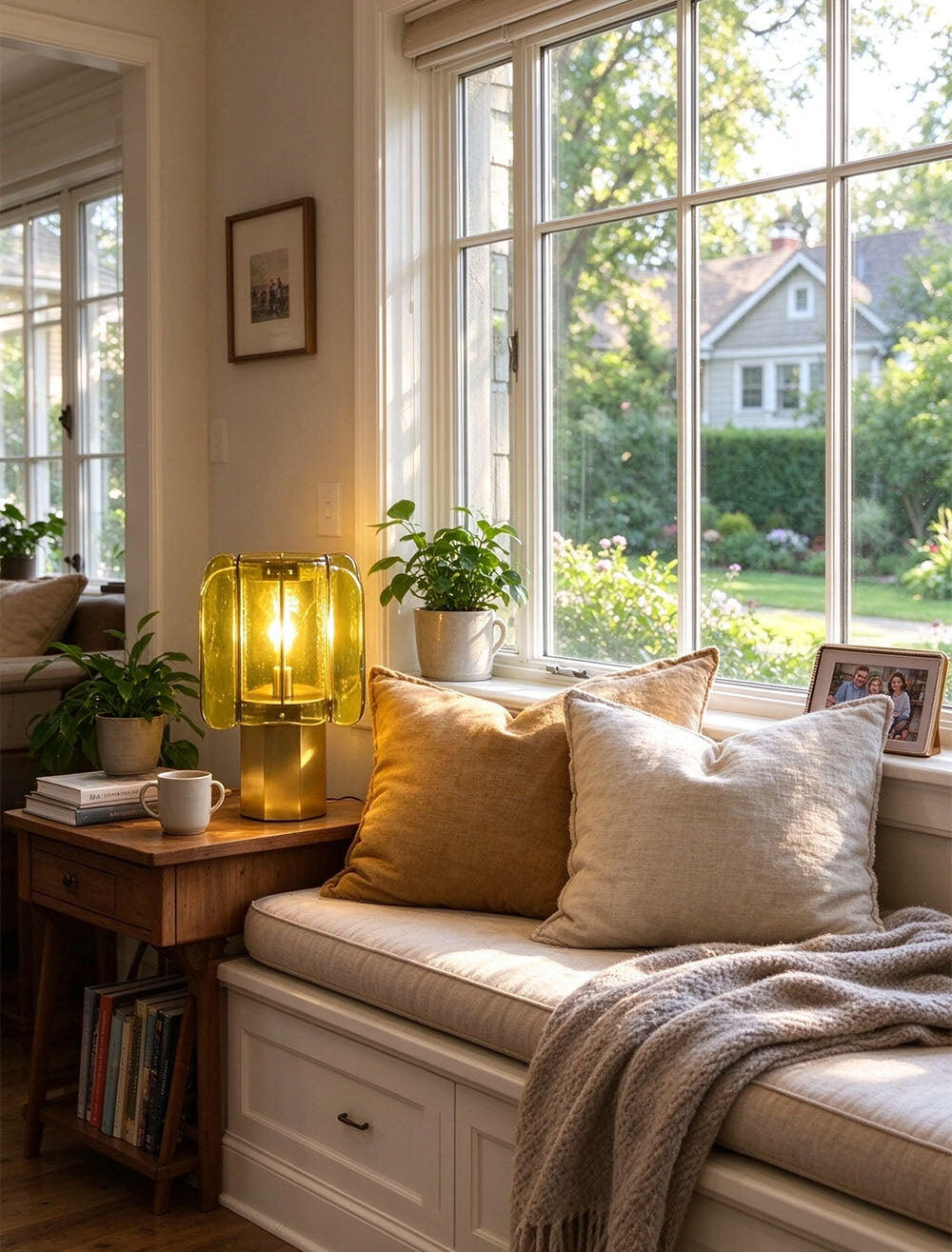
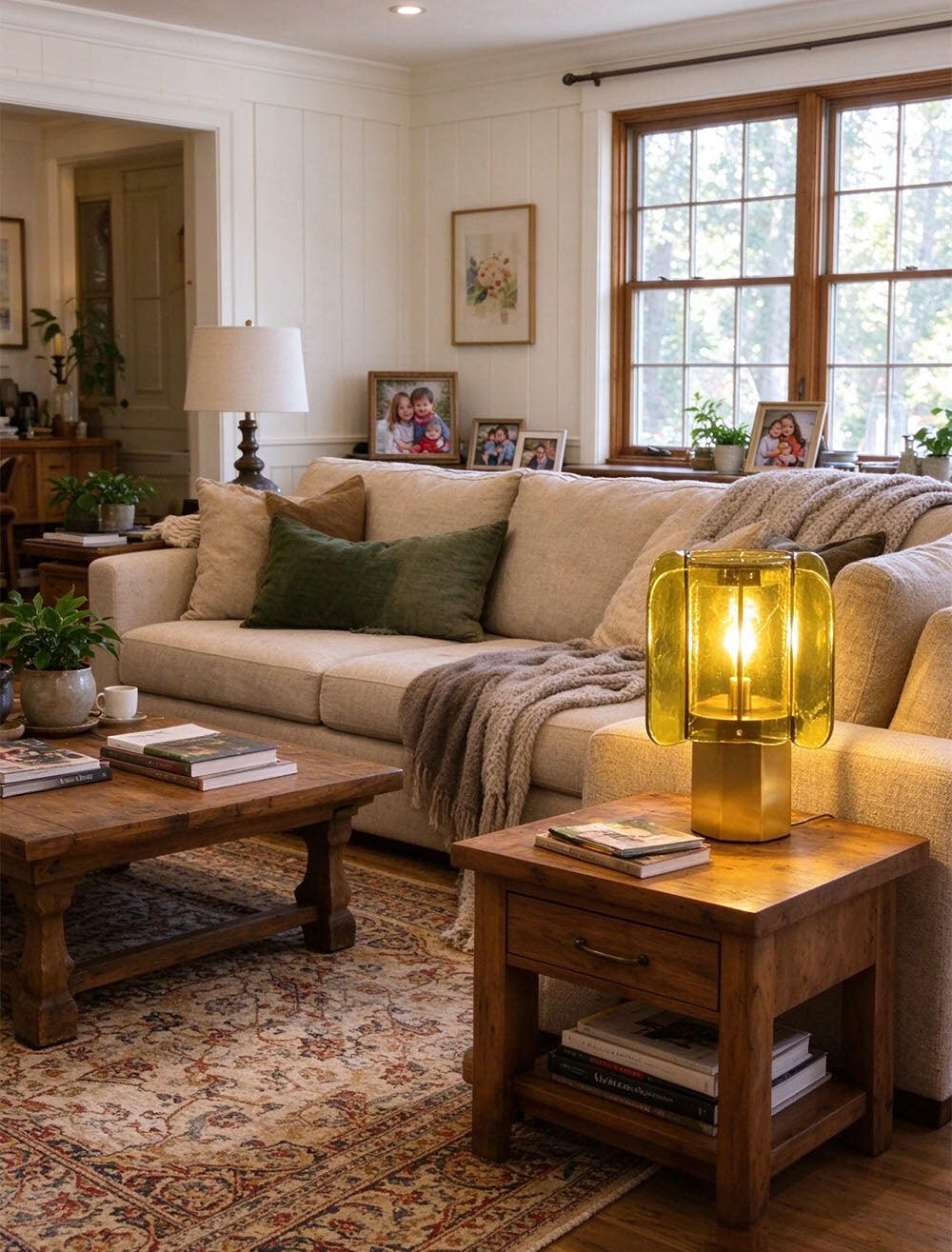
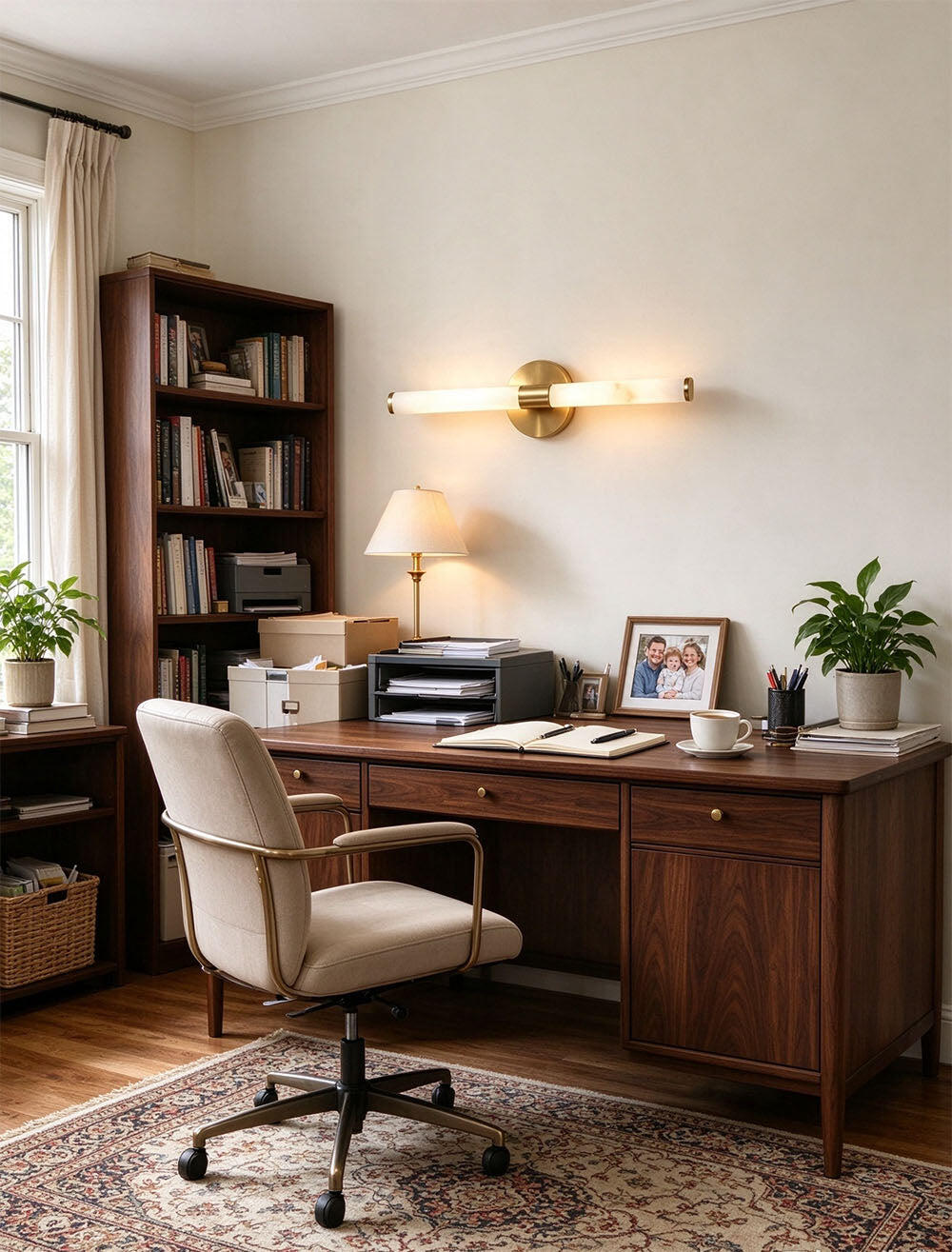
Decorative lighting earns its price at 40 percent brightness: pair dimmable 2700K bulbs of CRI 90 or higher with a trailing-edge dimmer, choose clear filament bulbs where the bulb is visible and frosted where the shade does the diffusing, and every fixture in this store doubles in value.
The most common lighting mistake we see costs nothing to fix: beautiful fixtures run at full blast through a single toggle switch. The chandelier was bought for its glass; the glass was designed for its glow; the glow lives below half power.

The four-line spec that fits every fixture
- 2700K, every socket, whole house; one cool bulb breaks a room.
- CRI 90 +, because colored glass like the Amethyst chandelier is buying color fidelity you can see.
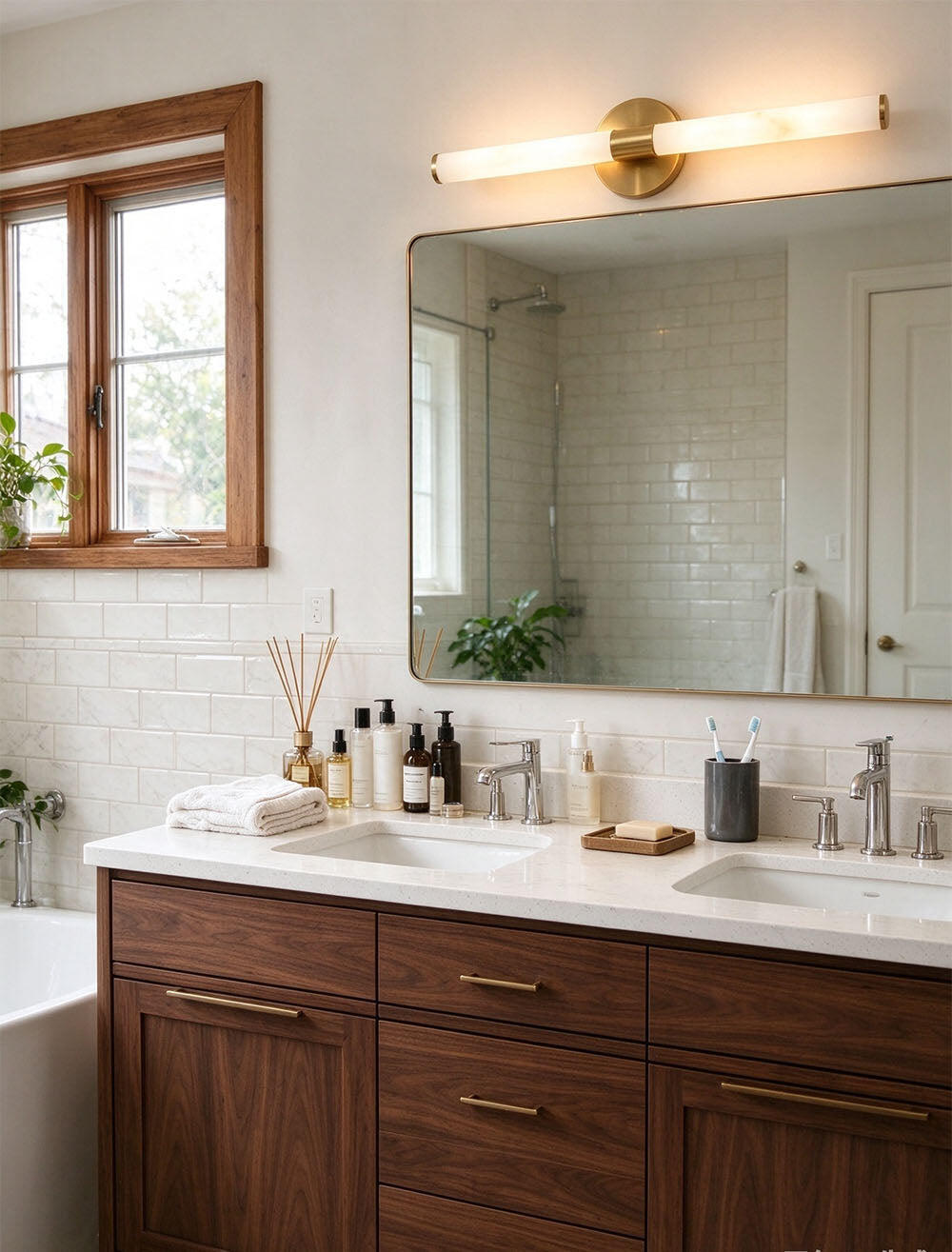
- Dimmable LED within rated wattage, cool-running and stone-safe for pieces like the Alabaster round pendant.
- Trailing-edge dimmer on the wall; it is the component people skip and the one that ends flicker.
Clear or frosted, decided in one glance
| Fixture type | Bulb | Why |
|---|---|---|
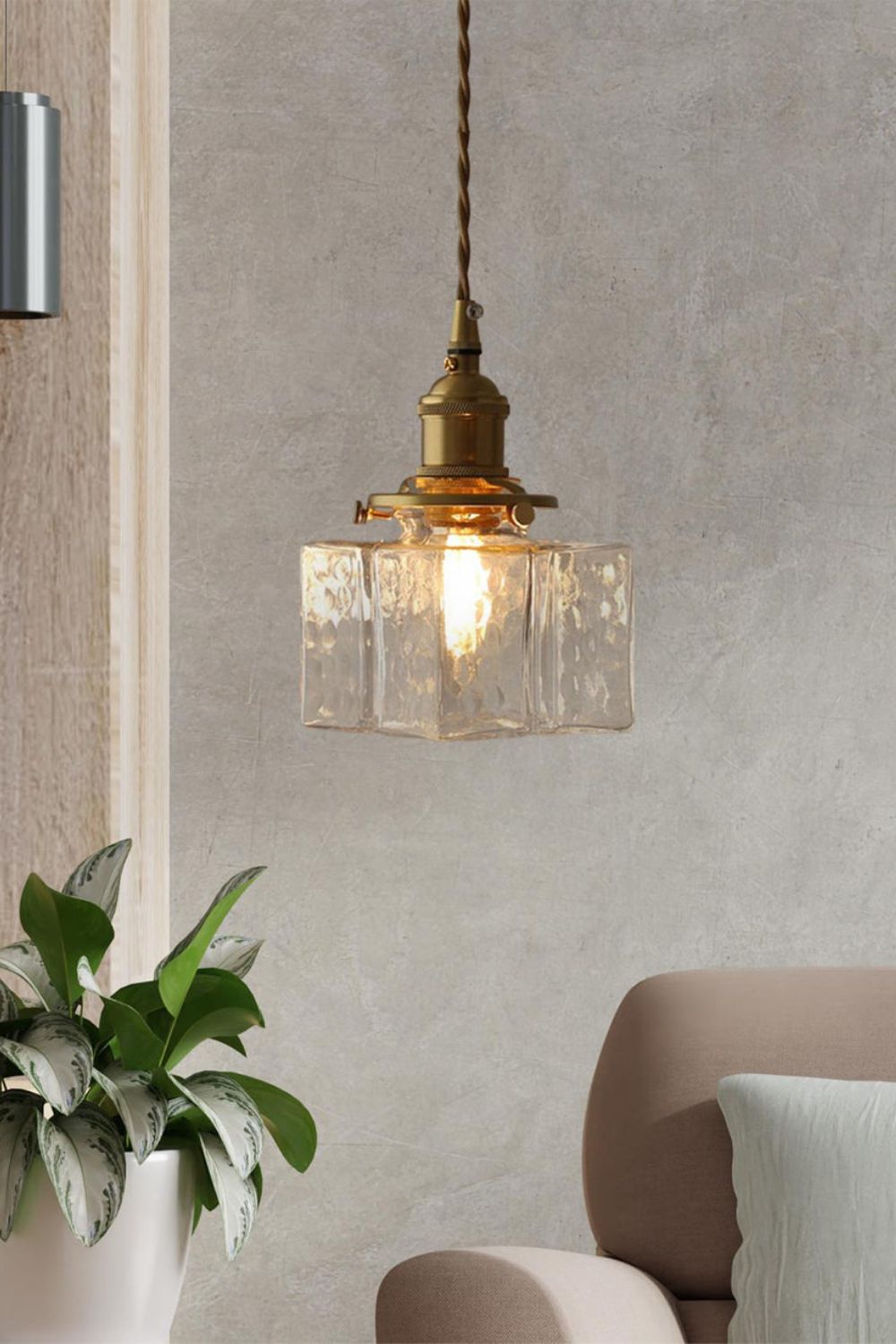
| Clear / faceted glass | clear, spiral filament | the bulb is part of the composition |
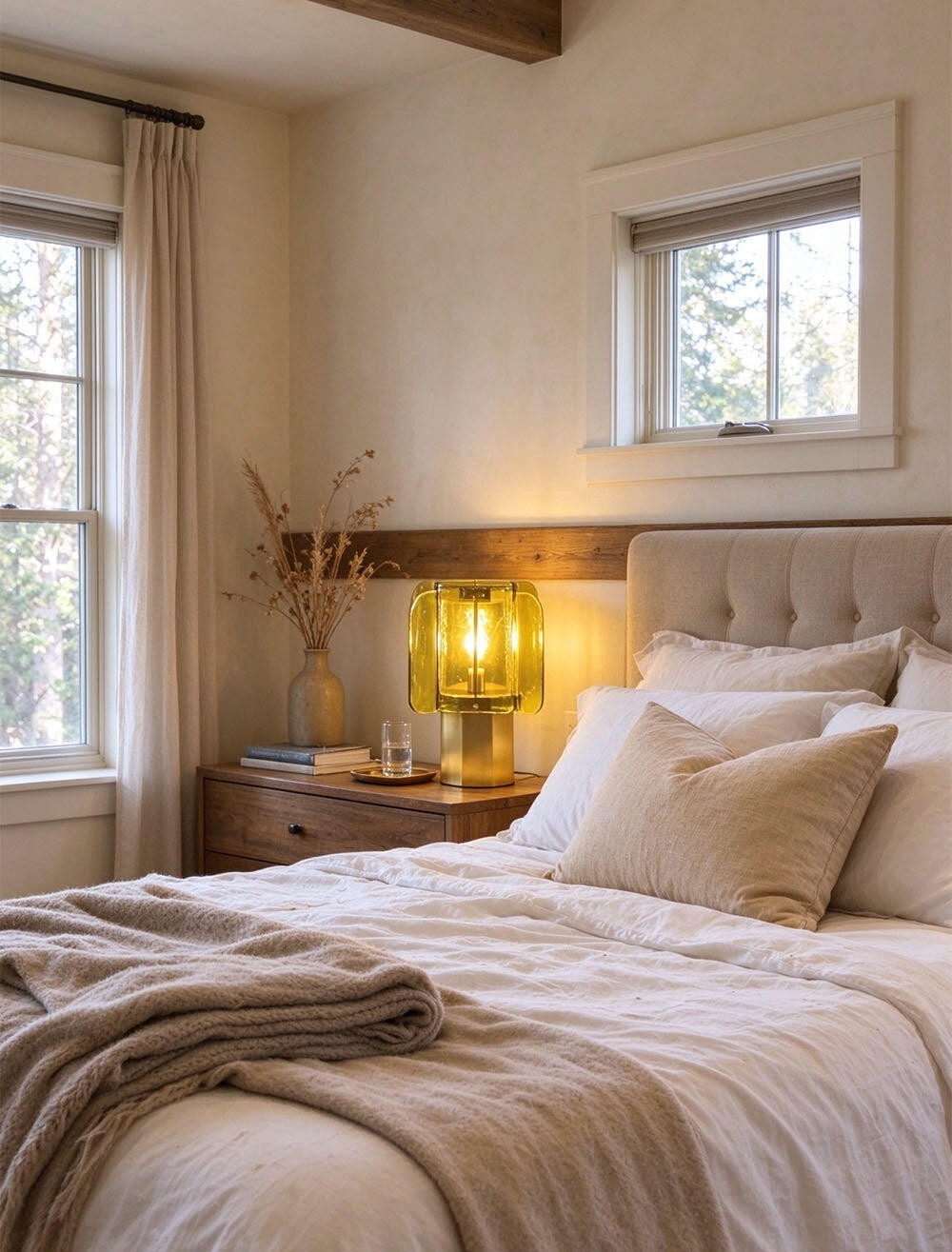
| Colored art glass | clear, high CRI | fidelity keeps amethyst amethyst |
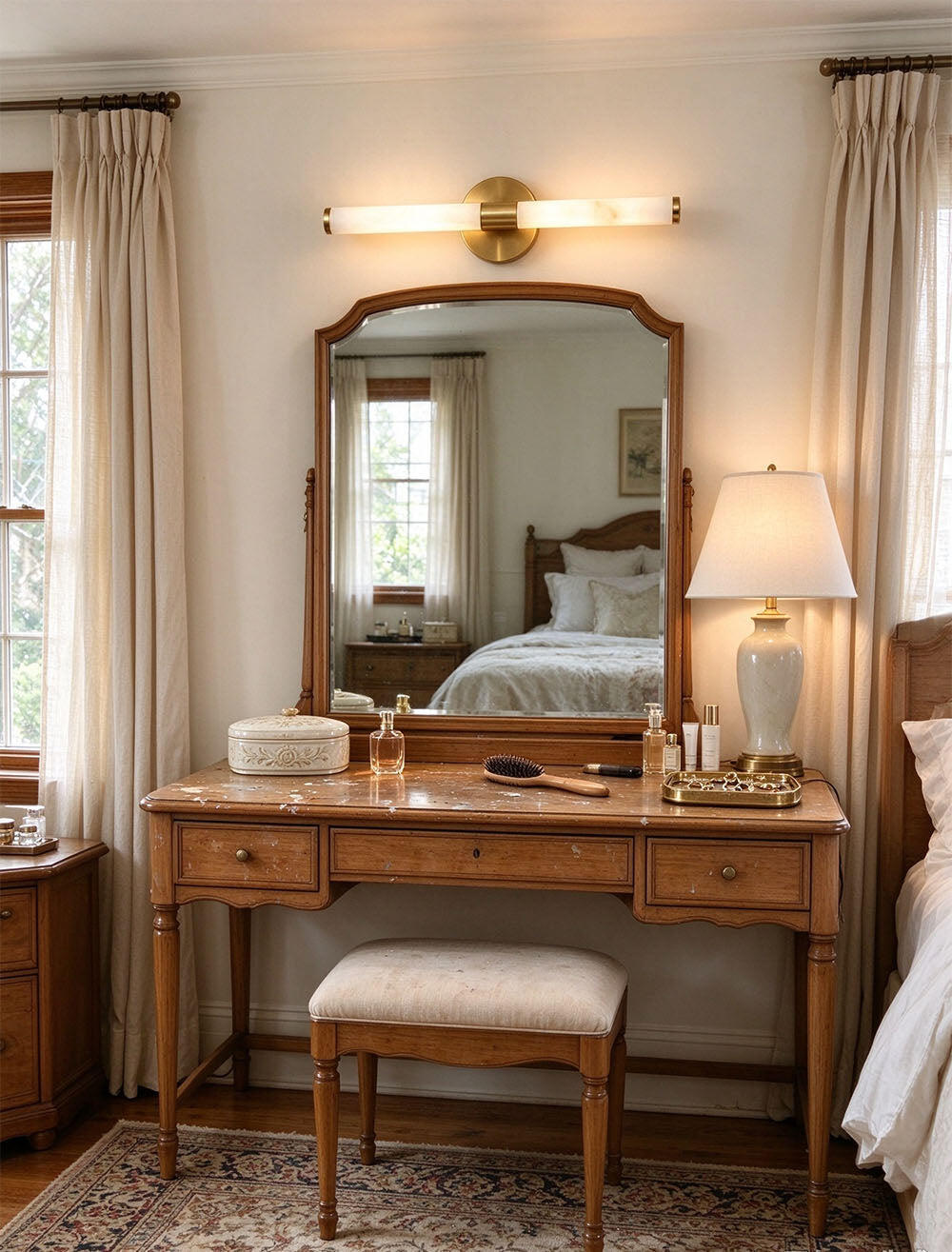
| Alabaster / opal / paper | frosted | the shade is the diffuser; hide the source |
| Bulbs at eye level | frosted or low-lumen clear | no glare across the table |

Then set three scenes and stop thinking about it: 45 percent for dinner, 25 for the film, 12 for the last lap of the house. Fixtures like the Retro Bloom pendant were drawn for exactly those hours, and a $25 wall plate is what unlocks them.
Bulb and dimmer guide: your questions
What dimmer works with LED bulbs?
A trailing-edge (ELV) dimmer paired with bulbs marked dimmable. Legacy leading-edge dimmers built for incandescent loads make LEDs flicker or buzz at the low end; the fix is the wall plate, not the bulb.
Why does my chandelier flicker at low dim?
Usually a leading-edge dimmer under-loaded by efficient LEDs, or mixed bulb brands with different drivers. Match one bulb model across every socket and use a trailing-edge dimmer rated for low LED loads.
What does CRI mean and does it matter?
Color rendering index: how faithfully a bulb shows color, out of 100. Above 90, wood, skin and stone look like themselves; in glass and alabaster fixtures the difference is immediately visible. Never buy below 90 for decorative fixtures.
Clear or frosted bulbs in glass fixtures?
Clear with a visible filament when the bulb is part of the view, in clear and faceted glass. Frosted when the shade is the show, stone, paper, opal glass, or when the bulb sits at eye level and would glare.
What is the right dim level for evenings?
40 to 50 percent for dinner and hosting, 20 to 30 percent for winding down, under 15 percent as a night scene. If a room only ever runs at 100 percent, the dimmer, not the fixture, is what is missing.
Three Dim Layers: Composing a Bedroom in Light
What 1,002 Orders Taught Us About Buying a Chandelier
Related Posts

Cherubs, Crystal and Candlelight: Four Fixtures for a Beautifully Haunted House

The 8-Foot Ceiling Problem: How to Get a Real Chandelier Without Losing Headroom

French Country vs. Parisian Chic: How to Choose the Right Chandelier for Every Room。

The Client Who Writes Back in Pencil

What 1,002 Orders Taught Us About Buying a Chandelier

Three Dim Layers: Composing a Bedroom in Light